Dia di Lucha pa Libertat
The Curaçao Slave Revolt of 1795

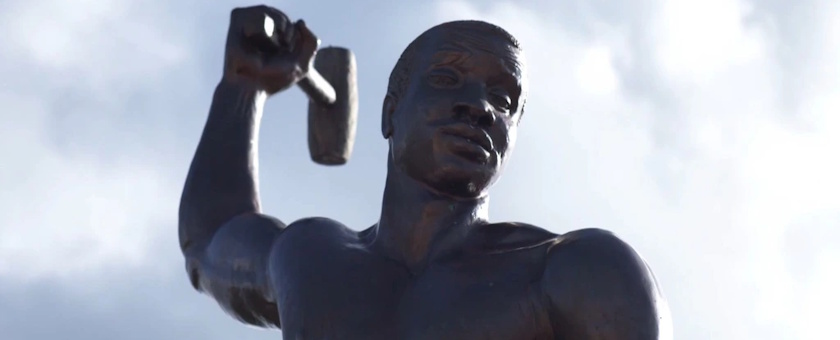
The Day of the Fight for Freedom
Every year on August 17, people on Curaçao commemorate Dia di Lucha pa Libertat, the Day of the Fight for Freedom. On this day, they remember the start of the largest slave revolt in Curaçao's history. The 1795 uprising grew into one of the most important events in the story of the island.
How the Revolt Started
The causes of the uprising did not come from Curaçao alone. In the French colony of Saint-Domingue (now Haiti), enslaved people revolted starting in 1791. Because of that pressure, France abolished slavery in all its colonies in February 1794. News of this reached Curaçao as well.
In early 1795, the situation in Europe changed when French revolutionary armies occupied the Netherlands and created the Batavian Republic. Because this new state was closely connected with France, many slaves on Curaçao expected slavery to end for them too.
On top of that, a letter from the Haitian general André Rigaud was passed around among the rebels, promising freedom to everyone under French rule. Because of this, Tula got his nickname "Rigaud."
Meanwhile, anger grew on the plantations due to food shortages, forced labor on Sundays, and unfair punishments. Four men eventually took the lead in the resistance: Tula, Bastiaan Carpata, Pedro Wacao, and Louis Mercier.
The First Days
On August 17, 1795, forty to fifty enslaved people gathered at the Knip plantation (Kenepa). Led by Tula, they went to owner Casper Lodewijk van Uytrecht to stop working and demand their freedom.
Tula then marched with his group to the Santa Cruz plantation to join forces with the uprising led by Bastiaan Carpata. Along the way, they freed twenty-two fellow enslaved people.
At the same time, Louis Mercier went back to Knip to free more people and gather weapons. During this action, he captured a commander and ten soldiers. At the Fontein plantation, the rebels captured even more weapons and a cannon.
The Death of a Schoolmaster
At the Fontein plantation, Dutch schoolmaster Gerrit Sabel was captured by the rebels. Like many other white residents, he had fled to Willemstad, but he returned to save his belongings, trusting in his good relationship with the Black community.
However, Pedro Wacao captured him, tied him behind a horse, and dragged him along, leaving him badly injured. A day later, Louis Mercier ended his suffering.
As the first white casualty, Sabel's death caused great panic among the white population. For the colonial government, it made clear that the situation had become very serious.
The Course of the Battle
After the events at Fontein, the rebels took over a nearby strategic hill. From there, they controlled the main route between Willemstad and Bandabou. Their numbers grew quickly as more enslaved people and free Black residents joined them. On August 19, they defeated a first military unit led by Lieutenant Plegher.
In response, the Colonial Council sent a larger force led by Army Captain Baron van Westerholt. Priest Jacobus Schinck tried to negotiate on behalf of the government. At Porto Marie, Tula directly demanded freedom, pointing to the political changes in the Netherlands and the French end to slavery.
The talks failed, after which Van Westerholt ordered his troops to attack. Nine rebels died, many were wounded, and twelve were captured. Still, the fighting went on. Between August 25 and 30, heavy battles took place between the colonial army and about two thousand rebels.
Capture and Execution
Louis Mercier was the first of the four leaders to be captured, near the Knip estate. On September 19, Tula was arrested after being betrayed by another enslaved man who received a reward. Two days later, Bastiaan Carpata and Pedro Wacao were also caught at the San Juan plantation.
Despite heavy torture during questioning, the four leaders refused to give the names of other people involved.
On October 3, 1795, Tula, Carpata, and Wacao were publicly executed at the gallows field at Rif in Willemstad for their role in the revolt. In addition, twenty-nine other rebels were sentenced to death, hanged, or executed in other ways.
Historical Impact
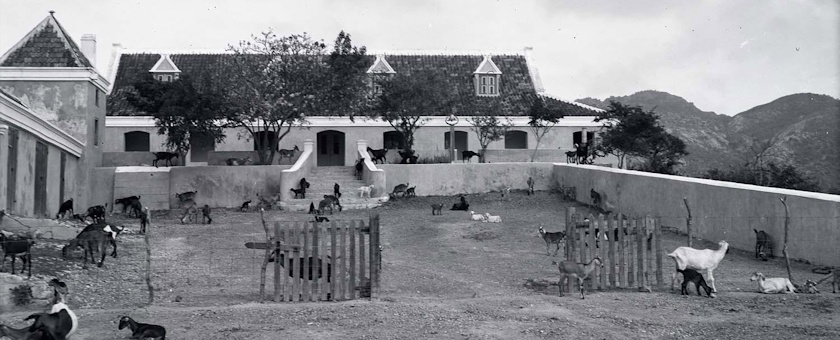
To prevent new revolts, the colonial government introduced rules on November 20, 1795, for how enslaved people should be treated. Sunday became a day off again, and standards were set for working hours, food, and clothing.
Still, slavery on Curaçao continued for another 68 years until it was finally abolished in 1863. Historians view the 1795 revolt as a major push behind the growing criticism of the system of slavery.
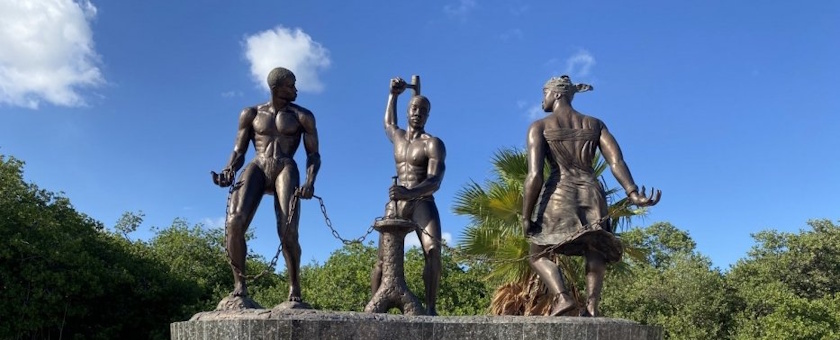
Since the 1980s, the resistance fight has been officially commemorated:
- 1985: August 17 is declared the Day of the Struggle for Freedom (Tula Day).
- 1998: A statue of Tula is placed in the Park of the Struggle for Freedom.
- 2007–2021: The Tula Museum is established at the Knip estate (Kenepa).
- 2010: Tula is officially declared a national hero of Curaçao.
- 2023: The Dutch government officially rehabilitates Tula's name and honor.
Sources